
7 Key Benefits of Using a 3PL to Scale During Peak Season

Katherine Wroth • October 15, 2024

The holiday rush isn’t just tough on Santa—it’s a race against time for businesses too. Whether you’re a retail brand gearing up for Black Friday or an e-commerce business preparing for last-minute holiday shoppers, this hectic time can be a challenge or a growth opportunity. This is where partnering with a third-party logistics (3PL) provider like Barrett Distribution can make all the difference.

Here are seven ways a 3PL can help your business scale and succeed during the holiday rush:


1. Managing Seasonal Inventory Surges


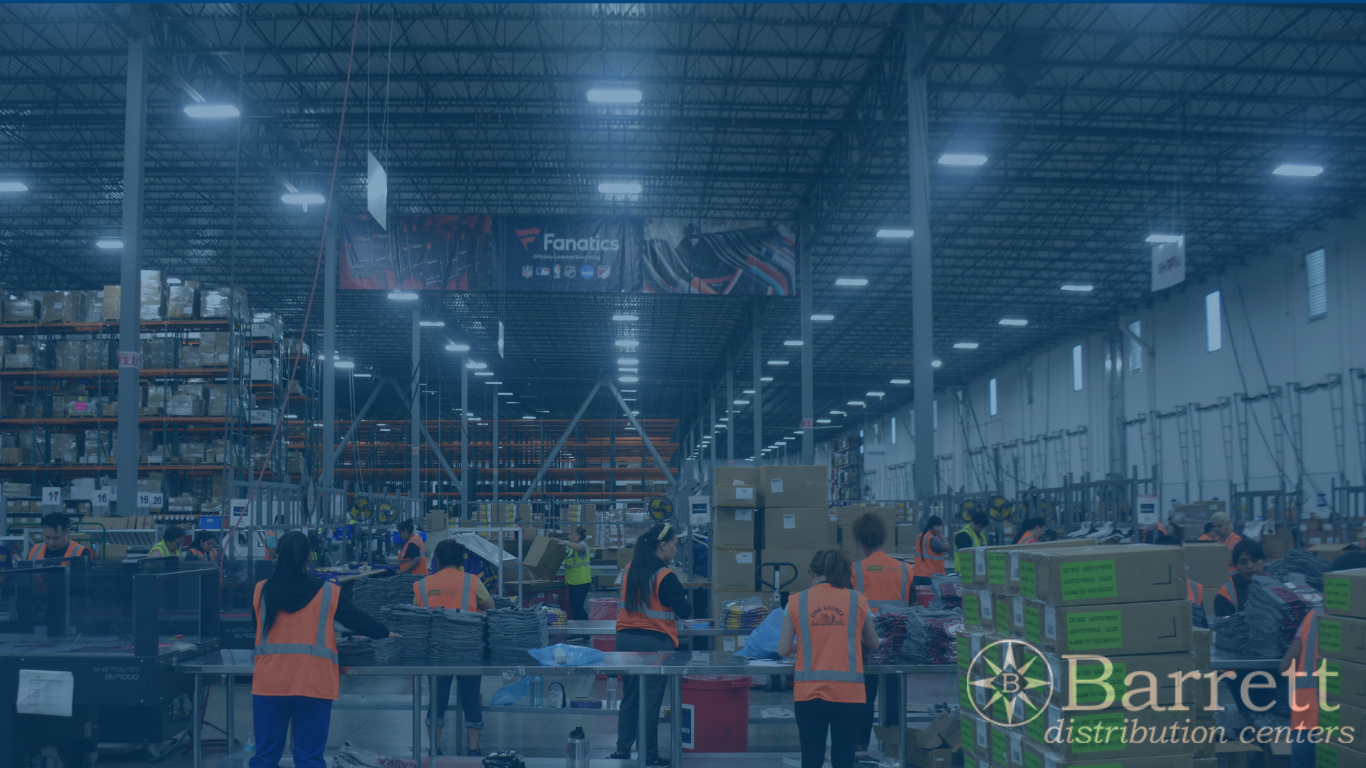
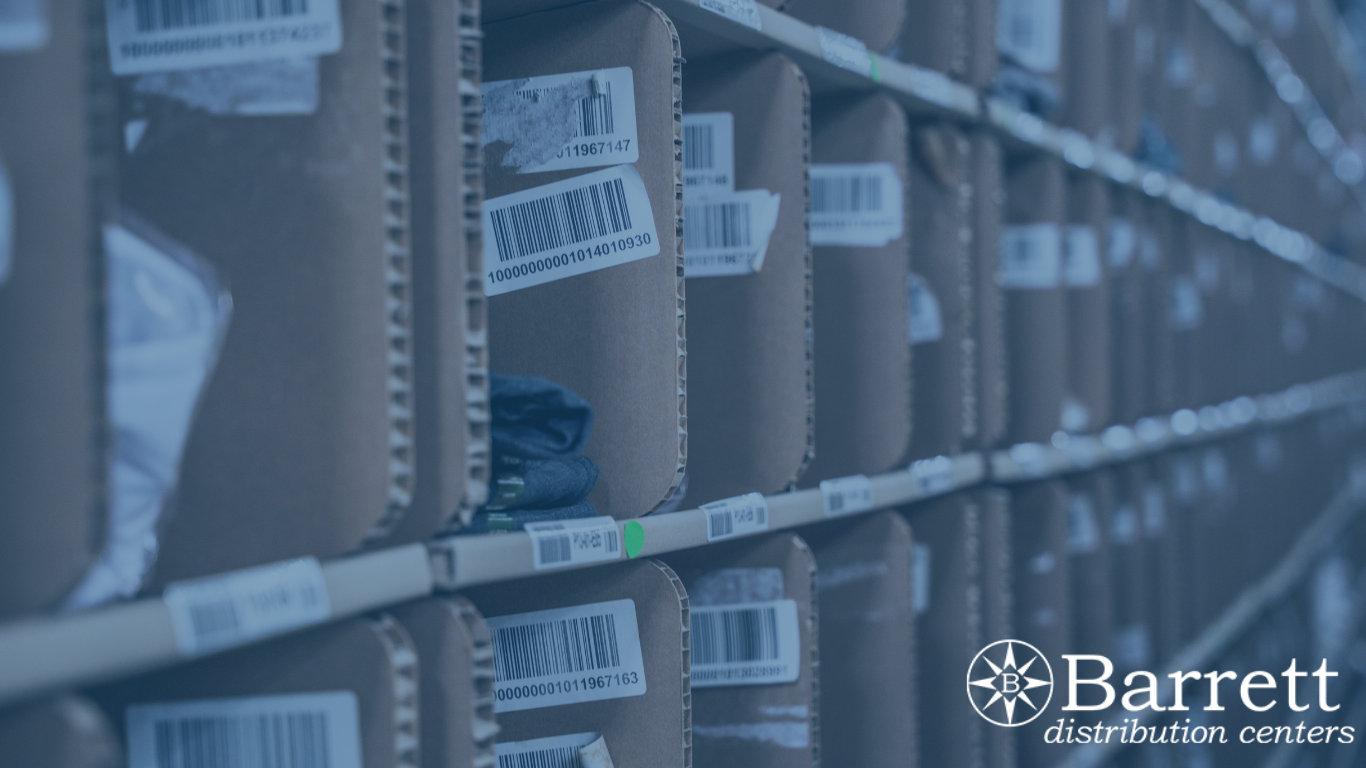
One of the biggest challenges businesses face during the holidays is inventory management. Too much stock can tie up capital, while too little can lead to missed sales opportunities. A 3PL partner can help you forecast demand based on historical data and trends, allowing you to adjust your inventory levels in real-time. At Barrett, our advanced inventory management systems provide visibility of stock levels, guaranteeing that we maintain optimal stock and minimize the risk of stockouts.


2. Optimizing Fulfillment for Faster Shipping


Speed is the name of the game during the holidays. Customers expect their packages to arrive quickly, especially with the rise of e-commerce giants like Amazon setting the bar for fast delivery. Partnering with a 3PL optimizes your fulfillment process, ensuring orders are picked, packed and shipped efficiently. This is why we have strategically located warehouses nationwide, allowing us to shorten transit times and reduce shipping costs by fulfilling orders closer to your customers.


3. Expanding Your Distribution Network


A common roadblock for scaling during the holidays is limited distribution capabilities. We offer access to a nationwide network of warehouses and transportation solutions, enabling you to reach more customers faster. By leveraging our network of multi-client and dedicated warehouses, we help you expand your reach without the need for significant capital investment.


4. Flexible Staffing for Peak Demand


The holiday season is notorious for fluctuating demand, which can strain internal resources. Hiring and training seasonal staff can be a logistical nightmare. With a 3PL, you don’t need to worry about staffing shortages during peak season. Our teams are already trained to handle large volumes, and we scale our workforce to meet the increased demand, ensuring that your operations run smoothly even when the pressure is on.


5. Managing Returns Efficiently


The post-holiday returns process can be just as hectic as the holiday rush. Our focus post-holiday rush is to streamline reverse logistics by managing returns quickly and efficiently. This improves customer satisfaction and helps you recover value from returned products faster, which can make a big difference to your bottom line.


6. Technology and Real-Time Insights


Visibility is essential when scaling your business, especially during the holidays. We offer real-time tracking and reporting tools, giving you insights into every aspect of your supply chain, from inventory levels to order fulfillment and shipping times. Our cloud-based technology platforms allow businesses to monitor their operations and make data-driven decisions, ensuring they stay agile during the holiday rush.


7. Focus on Core Business Activities


Most importantly, partnering with a 3PL like Barrett lets you focus on what truly matters—growing your brand and driving sales. By outsourcing logistics to a trusted 3PL provider, you can dedicate more time to marketing, product development, and enhancing the customer experience, knowing that your supply chain is in good hands.


Conclusion


Holidays are critical for businesses, and scaling up to meet demand can be daunting. By leveraging the expertise, infrastructure, and technology of a 3PL like Barrett, you can confidently navigate the complexities of holiday logistics while delivering exceptional service to your customers. Whether you’re looking to optimize your fulfillment, manage returns, or expand your reach, a 3PL partner is a must for a successful holiday season.


Are you ready to take your business to the next level this holiday season? Contact us today to connect with one of our 3PL logistics experts.

Recent Blog Posts
By Faith Artieda August 13, 2026
Yes, storing inventory in California can reduce shipping costs—especially for businesses serving customers on the West Coast or importing products through Pacific ports. By positioning inventory closer to customers, companies can shorten shipping distances, rely more on ground transportation, and reduce overall transportation expenses while improving delivery speed. Key Takeaways Storing inventory in California can lower shipping costs by reducing transit distances to West Coast customers. A California warehouse helps businesses improve delivery times while decreasing reliance on expensive expedited shipping. Partnering with an experienced 3PL allows businesses to optimize inventory placement, transportation, and fulfillment operations. Why Does Warehouse Location Affect Shipping Costs? Shipping costs are influenced by more than package size and carrier rates. The distance between your warehouse and your customers plays a major role in determining how much you spend on transportation. When inventory is stored closer to where orders are being delivered, shipments travel fewer miles. This often results in lower parcel costs, faster delivery times, and greater flexibility when choosing shipping methods. For businesses with a large customer base in the western United States, storing inventory in California can be a simple yet effective way to reduce transportation expenses while improving service levels. How Does a California Warehouse Lower Shipping Costs? A California warehouse allows businesses to fulfill orders closer to millions of consumers across the West Coast. Instead of shipping every order from a warehouse located in another region, businesses can use ground shipping to reach customers in California and neighboring states more quickly. Ground transportation is typically more cost-effective than expedited air services, making it possible to reduce shipping expenses without sacrificing delivery speed. As shipping volumes increase, these savings can add up significantly, particularly for ecommerce businesses fulfilling hundreds or thousands of orders each month. Why Is California a Strategic Location for Distribution? California is one of the largest consumer markets in the United States and serves as a major logistics hub for domestic and international commerce. The state offers access to extensive highway networks, major parcel carrier operations, international airports, and some of the nation's busiest seaports. This infrastructure allows businesses to efficiently move products from ports to warehouses and then on to customers throughout the western United States. For importers, storing inventory near a port can also reduce inland transportation costs while making products available for fulfillment more quickly. Which Businesses Benefit Most from California Warehousing? A California warehouse can benefit a wide range of businesses, but it is especially valuable for companies that regularly ship to customers in the western United States or import products from overseas. Ecommerce brands often use California fulfillment centers to improve delivery speeds and remain competitive with customer expectations for fast shipping. Retail suppliers can also benefit by positioning inventory closer to stores and distribution partners throughout the region. Businesses with seasonal demand or rapid growth may find that adding a West Coast warehouse provides greater flexibility while supporting future expansion. Can a California Warehouse Support Both Retail and Ecommerce Fulfillment? Yes. Many businesses today sell through multiple channels, including ecommerce websites, online marketplaces, wholesale customers, and retail stores. A strategically located California warehouse can support all of these channels while helping businesses maintain consistent inventory visibility and operational efficiency. Barrett Distribution operates fulfillment facilities in California as part of its nationwide logistics network and specializes in omnichannel fulfillment, supporting both business-to-business retail distribution and direct-to-consumer ecommerce fulfillment through customized warehouse solutions. How Does a 3PL Help Optimize Shipping Costs? Reducing shipping costs isn't just about warehouse location—it also requires efficient operations, strong carrier relationships, and advanced technology. An experienced third-party logistics (3PL) provider can help businesses determine the best inventory strategy based on customer demand, shipping patterns, and growth plans. Modern warehouse technology also provides real-time inventory visibility, helping ensure orders are fulfilled from the most efficient location. Barrett Distribution utilizes a Tier 1 Warehouse Management System, transportation management software, and customer reporting tools that provide visibility into inventory, orders, and fulfillment performance, helping customers improve operational efficiency across their supply chains. Is Storing Inventory in California the Right Choice? If a large percentage of your customers are located on the West Coast, storing inventory in California can provide measurable savings while improving delivery performance. By reducing shipping distances, improving transit times, and supporting efficient distribution, a California warehouse can help businesses build a more responsive and cost-effective supply chain. When combined with an experienced logistics partner, it also provides the flexibility to scale operations as customer demand grows. For businesses looking to strengthen their fulfillment strategy, California remains one of the most strategic warehouse locations in the country. Frequently Asked Questions Does storing inventory in California reduce shipping costs? Yes. Storing inventory closer to West Coast customers reduces shipping distances, allowing businesses to lower transportation costs and improve delivery times. Is California a good location for a fulfillment center? California is an excellent location for fulfillment because it provides access to a large consumer population, extensive transportation infrastructure, major ports, and regional parcel carrier networks. Do ecommerce businesses benefit from California warehousing? Yes. Ecommerce businesses can improve delivery speed, reduce shipping costs, and better meet customer expectations by positioning inventory closer to West Coast customers. Can a 3PL help determine the best warehouse locations? Yes. Experienced third-party logistics providers, including Barrett Distribution, help businesses develop inventory strategies that improve fulfillment performance while reducing transportation costs through strategically located warehouse networks.
By Faith Artieda August 12, 2026
Offering two-day shipping starts with positioning inventory closer to your customers, optimizing your fulfillment operations, and partnering with a third-party logistics (3PL) provider that has a strategically located warehouse network. By reducing transit times and improving order processing, businesses can provide fast, reliable shipping without dramatically increasing costs. Key Takeaways Two-day shipping is achieved through strategic inventory placement, efficient fulfillment processes, and optimized transportation—not just faster carriers. A multi-location warehouse network helps position inventory closer to customers, reducing transit times and shipping costs. An experienced 3PL can provide the technology, infrastructure, and operational expertise needed to consistently meet two-day delivery expectations. Why Is Two-Day Shipping So Important? Fast shipping has become an expectation for today's consumers. Whether customers are shopping directly from a brand's website or through an online marketplace, delivery speed often influences purchasing decisions. Offering two-day shipping can improve customer satisfaction, increase conversion rates, and encourage repeat purchases. For businesses, it also creates a competitive advantage by meeting the service levels customers have come to expect from leading retailers. The challenge is delivering that speed without significantly increasing fulfillment and transportation costs. How Can Businesses Offer Two-Day Shipping? Many businesses assume they need to rely on expensive expedited shipping services to achieve two-day delivery. In reality, the most effective strategy is reducing the distance between inventory and customers. By storing products in strategically located fulfillment centers, businesses can use standard ground shipping to reach more customers within two days. This approach lowers transportation costs while maintaining fast delivery times. As order volumes grow, many companies expand from a single warehouse to a multi-node fulfillment strategy, positioning inventory in multiple regions to improve nationwide coverage. Does Warehouse Location Affect Delivery Speed? Absolutely. Warehouse location is one of the biggest factors influencing shipping speed. If inventory is stored hundreds or thousands of miles away from customers, even the most efficient fulfillment operation may struggle to achieve two-day delivery consistently. Strategically located warehouses allow businesses to shorten shipping distances and improve transit times using ground transportation. This not only supports faster deliveries but also helps reduce parcel shipping costs compared to relying on expedited air services. Barrett Distribution operates a nationwide fulfillment network with facilities in Massachusetts, New Jersey, New York, Maryland, Virginia, Tennessee, Texas, and California, allowing businesses to position inventory closer to customers across the country. How Does a 3PL Support Two-Day Shipping? An experienced third-party logistics provider offers much more than warehouse space. A 3PL helps businesses improve fulfillment speed through optimized warehouse operations, scalable labor, advanced technology, and established carrier relationships. Instead of building this infrastructure internally, companies can leverage an experienced partner with proven processes already in place. Barrett Distribution supports both business-to-business retail distribution and direct-to-consumer ecommerce fulfillment through customized omnichannel solutions. Its nationwide warehouse network, transportation management capabilities, and customer-focused operations help businesses improve delivery performance while maintaining flexibility as demand grows. What Technology Helps Enable Two-Day Shipping? Fast shipping depends on accurate and efficient warehouse operations. Modern Warehouse Management Systems (WMS) help optimize receiving, inventory management, order processing, and picking workflows. Real-time inventory visibility allows businesses to fulfill orders from the most appropriate location while reducing delays caused by inventory discrepancies. Barrett utilizes a Tier 1 Warehouse Management System, transportation management software, and customer reporting tools that provide real-time visibility into inventory, orders, and fulfillment performance. These technologies help improve operational efficiency while supporting faster, more accurate order fulfillment. Is Two-Day Shipping Right for Every Business? Not every company needs to offer two-day shipping nationwide, but many can benefit from offering it in key regions where customer demand is highest. Businesses should evaluate factors such as customer locations, shipping volumes, product characteristics, and transportation costs when developing their fulfillment strategy. In many cases, strategically placing inventory in regional fulfillment centers provides the speed customers expect without dramatically increasing logistics expenses. Working with an experienced 3PL can help businesses determine the right warehouse locations and fulfillment model to balance cost, speed, and scalability. Frequently Asked Questions How do I offer two-day shipping? The most effective way to offer two-day shipping is by storing inventory closer to customers, optimizing warehouse operations, and partnering with a 3PL that has a strategically located fulfillment network. Do I need multiple warehouses for two-day shipping? Not always, but multiple warehouse locations can significantly improve delivery coverage by positioning inventory closer to regional customer bases. This often allows businesses to use ground shipping instead of more expensive expedited services. Can a 3PL help me offer two-day shipping? Yes. An experienced third-party logistics provider can provide warehouse space, fulfillment technology, transportation expertise, and a strategically located distribution network to support two-day delivery goals. How does Barrett Distribution support fast shipping? Barrett Distribution operates a nationwide network of fulfillment centers and utilizes advanced warehouse and transportation technology to support efficient omnichannel fulfillment. By strategically positioning inventory and optimizing warehouse operations, Barrett helps businesses improve delivery performance while maintaining high service levels.
By Faith Artieda August 11, 2026
If you've ever requested a quote from a third-party logistics (3PL) provider, you've probably wondered why the pricing can vary so much from one company to another. The truth is, there isn't a standard rate for fulfillment. Every business has different products, order volumes, customers, and operational needs. That's why pricing isn't just about storing inventory and shipping boxes—it's about understanding how your business operates and building a solution around it. At Barrett Distribution, that process starts with asking a lot of questions. While it may seem like we're digging deep into your business, there's a good reason for it: the more we understand your operation, the more accurate—and fair—your pricing will be. It All Comes Down to Two Things According to Harrison Smith , Director of Commercial Revenue at Barrett Distribution, most 3PL pricing can be broken down into two categories. "Pricing falls into two buckets: storage and handling. You're paying for the space and you're paying for the people." Storage is fairly straightforward. It's the warehouse space your inventory occupies. Factors like your inventory levels, how products are stored, and the location of the warehouse all influence this portion of your costs. Handling is where every business starts to look different. Receiving inventory, picking orders, packing shipments, applying retail labels, processing returns, and shipping products all require labor. A company shipping 100 direct-to-consumer orders each day has very different fulfillment needs than one sending truckloads to national retailers. Those differences affect how much work is required behind the scenes—and ultimately, how pricing is structured. Why We Ask So Many Questions If you've ever gone through the quoting process with a 3PL, you've probably been asked for order history, SKU counts, inventory reports, seasonality, shipping destinations, and more. It can feel like a lot. But those details allow a provider to build a pricing model based on your actual business rather than making educated guesses. "The better the data, the better our pricing," Harrison says. "When we have to make assumptions, those assumptions are naturally going to be conservative." Think of it this way: if a logistics partner doesn't fully understand your operation, they'll need to account for unknowns. That often leads to pricing that's less precise because it includes extra cushion for uncertainty. The more complete the picture, the more confidence everyone has in the solution. Price Is Only Part of the Story It's natural to compare quotes and look for the lowest number. But choosing a 3PL based on price alone can overlook what's actually included in that investment. Reliable fulfillment requires experienced people, proven processes, technology, and a commitment to quality. Inventory accuracy, on-time shipping, retailer compliance, and responsive customer support all take resources to deliver consistently. Those are the things that help prevent costly mistakes like chargebacks, inventory discrepancies, delayed shipments, and unhappy customers. As Harrison explains: "We're never going to be the lowest price, but we are going to be competitive. What our partners are paying for is the quality that our operations deliver." While a lower price may look appealing on paper, the real cost of fulfillment often comes from service failures—not the monthly invoice. Finding the Right Fulfillment Partner A good pricing conversation shouldn't feel like negotiating over pennies. It should feel like building a solution that supports your business today and as it grows. The right 3PL takes the time to understand your operation, asks thoughtful questions, and designs a fulfillment strategy that aligns with your products, customers, and long-term goals. When you're evaluating fulfillment providers, don't just ask, "How much does it cost?" Ask how that price was built—and what you'll receive in return. Because in logistics, the best value isn't always the lowest quote. It's the partner that helps your business run more efficiently, deliver a better customer experience, and grow with confidence.
More Posts