
Automation Isn’t Replacing Warehouse Teams Anytime Soon
For years, the logistics industry has talked about automation as if warehouses will eventually run themselves. Robotics, AI, and warehouse technology have absolutely transformed fulfillment operations — and they will continue to play an important role in the future of supply chains.
But despite the headlines, one thing remains true: great warehouse operations still depend on great people.
At Barrett Distribution, technology is designed to support our teams, not replace them. Behind every successful shipment, inventory count, retailer-compliant order, and customer experience is a team of people making critical operational decisions every day.
Warehousing Is Still a People Business
Automation can improve efficiency, reduce repetitive tasks, and help operations scale. But fulfillment is far more dynamic than many people realize.
Every day, warehouse teams are adapting to changing order volumes, retailer requirements, customer expectations, inventory challenges, transportation disruptions, and seasonal spikes. Technology helps create visibility and efficiency, but people are what keep operations moving when conditions change.
That human element is especially important in omnichannel fulfillment environments where accuracy, flexibility, and responsiveness matter just as much as speed.
The Best Operations Combine Technology and Experience
At Barrett, operational excellence comes from combining modern logistics technology with experienced warehouse teams who understand the importance of execution.
Our facilities utilize advanced warehouse management systems, transportation systems, robotics, reporting tools, and analytics platforms to improve efficiency and visibility. But technology alone does not create strong customer partnerships or consistent service levels.
Experienced team members help drive inventory accuracy, quality control, retailer compliance, process improvement, customer responsiveness, and operational consistency. The most successful logistics operations are built around people who care about the outcome.
A Culture Built Around People
One of the things that stands out most when visiting Barrett facilities is the culture inside the buildings.
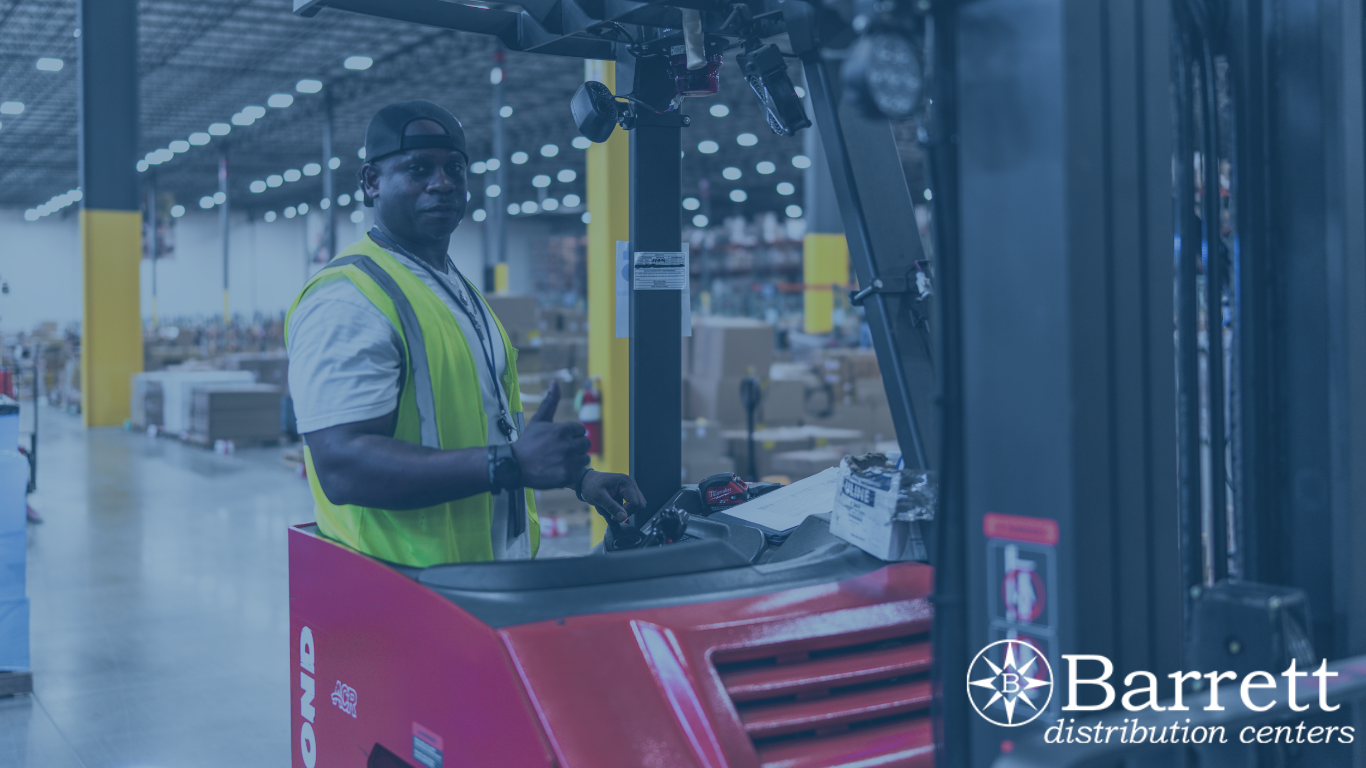
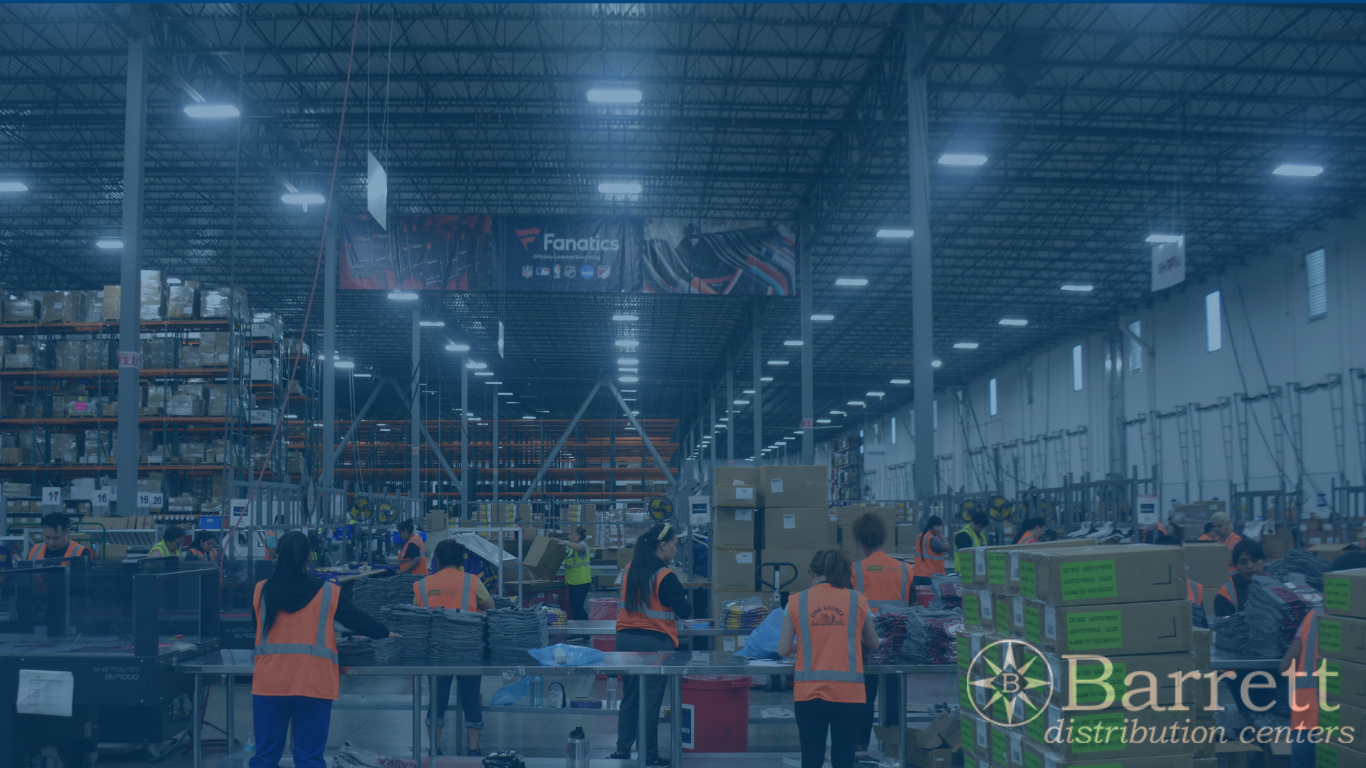
During recent visits to several Barrett warehouse locations, one thing became immediately clear: the people are the foundation of the operation. Teams take pride in their work, support each other, and genuinely care about the customers and brands they serve.
In many facilities, Barrett has employees and families who have worked with the company across multiple generations. That kind of long-term commitment says a lot about the culture that has been built over decades.
Warehousing can often be viewed as transactional from the outside, but the reality is much different. Strong operations are built by people who show up every day with experience, accountability, and a shared commitment to getting the job done the right way.
Automation Should Support Employees — Not Replace Them
The future of logistics will absolutely include more automation and technology. But the goal should not be removing people from operations entirely.
The best warehouse technology allows employees to work more efficiently, reduce unnecessary movement, improve accuracy, prioritize higher-value tasks, and make faster operational decisions.
At Barrett, technology investments are focused on empowering teams and improving customer outcomes while maintaining the people-first culture that has helped drive long-term growth and customer relationships.
The Human Side of Fulfillment Still Matters

In an industry increasingly focused on speed and automation, it is easy to overlook the people behind the operation. But successful fulfillment still depends on communication, accountability, problem-solving, and operational experience.
That human side of logistics is what allows strong warehouse operations to adapt, improve, and consistently deliver for customers.
At Barrett Distribution, the combination of experienced people, operational discipline, and technology-enabled fulfillment continues to be a key differentiator — because even in a highly automated world, supply chains still run on people.
Recent Blog Posts