Packing it up on DC Velocity

Katherine Wroth • July 2, 2024
Looking to speed throughput, reduce costs, and move toward a circular economy? Try changing up your packaging process.

Packaging is playing a large role in helping shippers optimize their logistics operations, especially when it comes to implementing solutions that drive both efficiency and sustainability across a company’s supply chain. Whether you’re shipping items in bulk or fitting multiple items into a box to fill e-commerce orders, the right packaging solution can help you save time, speed operations, and become a better steward of the environment. 


IN PURSUIT OF THE CIRCULAR ECONOMY

European energy drink maker  was looking for a better, more efficient way to ship its bulk ingredients between facilities in Austria and the United States—one that would minimize the volume of ocean freight it shipped while also reducing the company’s environmental impact. Red Bull turned to German packaging and container company  for a solution that is answering the call on both fronts.


Red Bull ships dry ingredients like sugar in flexible intermediate bulk containers (FIBCs)—large industrial bag-like containers made of flexible fabric, also referred to as “big bags.” FIBCs are designed to store and transport dry or granular materials—from powders, granules, and minerals to chemicals and food products. As an alternative to rigid containers, they can offer easier handling and reduced storage space, among other benefits. Red Bull was shipping its FIBCs using traditional, one-way wooden pallets loaded into 40-foot maritime containers—a process that was creating waste and inefficiency in its transportation processes.


Cabka solved the problem with a reusable pallet solution that is allowing Red Bull to take advantage of smaller, 20-foot shipping containers. The companies  in a joint statement released earlier this year.

Cabka’s Big Bag S5 pallet was created specifically to handle FIBCs. Made from recycled plastic, the pallets are designed to fit and protect the bags during transportation. Among the benefits, the pallet’s design centers the big-bag load, creating more stability during transport, according to Cabka. It also allows for the double-stacking of pallets without risking damage to the bag—which is common with traditional pallets, according to both companies—helping to maximize container space. 


The solution is helping Red Bull eliminate waste and reduce costs: The company can now optimize the space within a standard 20-foot container, which has helped reduce the number of containers used by 20%. What’s more, the reusable containers create a closed-loop pallet system between Red Bull’s facilities in Austria and the United States—meaning the pallets make their way between both locations continuously, an approach that minimizes waste. And the pallets can be recycled at the end of their lifecycle, further contributing to the “circular economy.”


RIGHT-SIZED AND READY TO SHIP—FAST


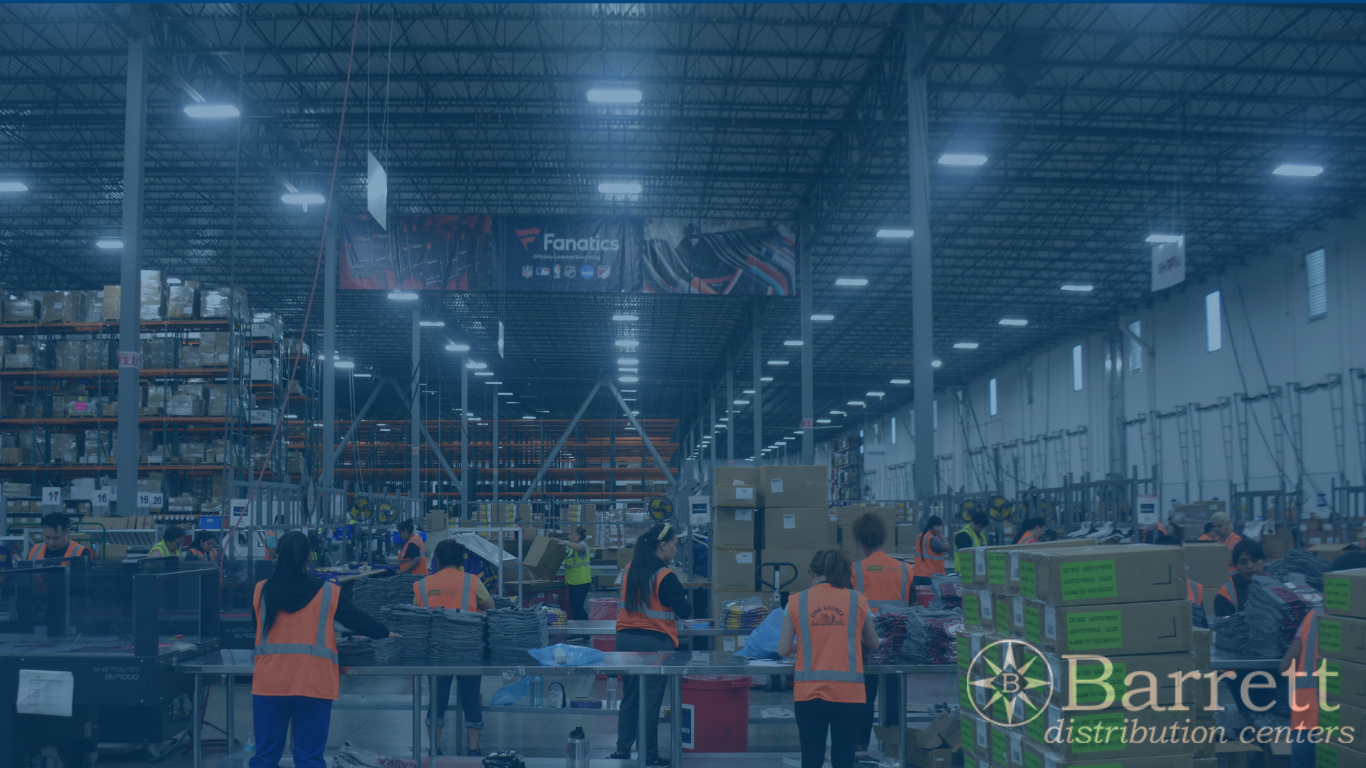
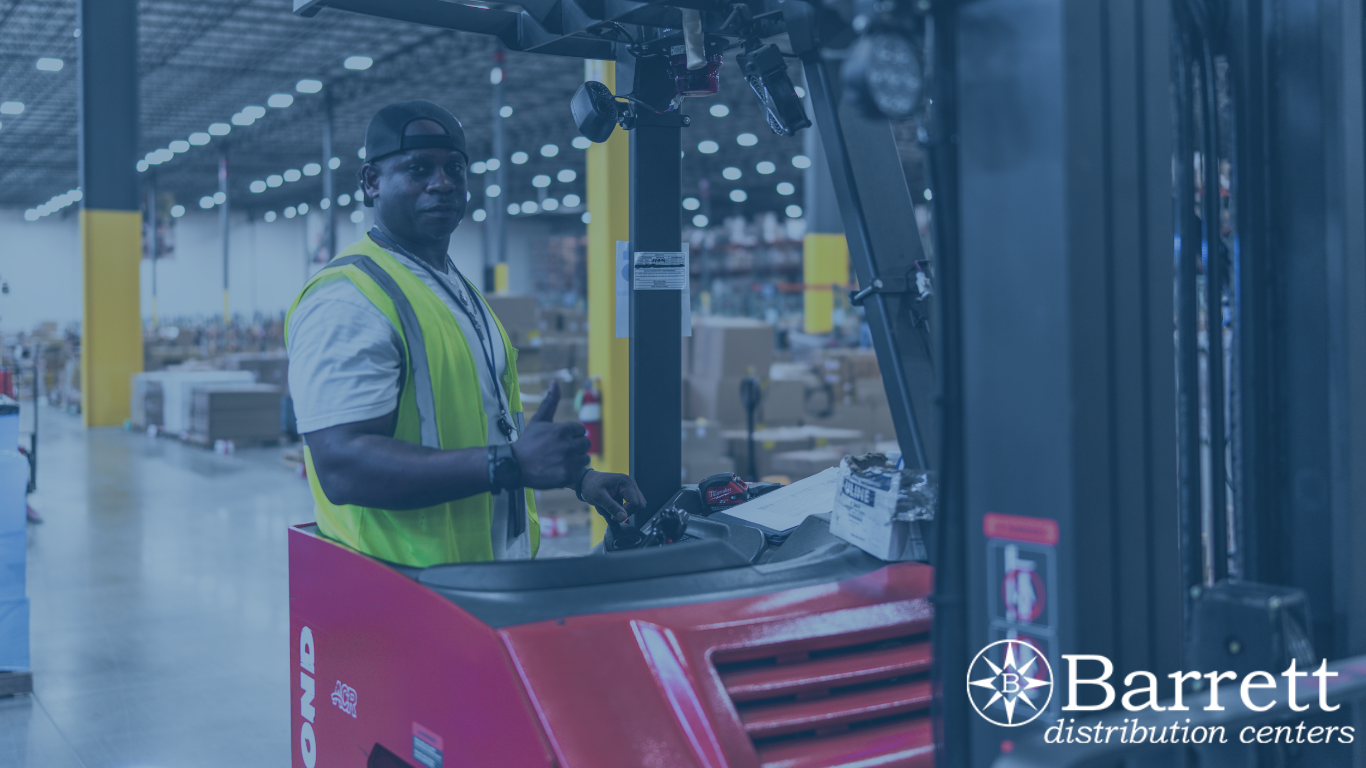
Family-owned third-party logistics services (3PL) provider Barrett Distribution Centers needed to improve performance at its Somerset, New Jersey, distribution center (DC), one of 25 facilities in the company’s U.S. network. Productivity had plateaued at the location, thanks in large part to the way workers processed orders—traditionally, via manual pack stations. Leadership at the e-commerce-focused 3PL decided to address the problem with automation, and purchased a carton wrap machine from which provides automated packaging solutions for a wide range of industries. The automatic carton packaging system creates custom boxes in a matter of seconds, speeding order processing and creating right-sized packages for each and every order. 


Incorporating CMC’s automated packaging system made sense, but the timeline for implementation was less than ideal, according to Barrett’s leaders, who described the project  published earlier this year. The system was scheduled for delivery to the New Jersey facility just two weeks before Black Friday weekend, leaving little time for the 3PL to get up to speed and keep up with prime peak season demand.


“It was a fairly complex integration,” said David Lynch, Barrett Distribution’s director of IT, in the case study. “It wasn't something our in-house [IT] talent would be able to pick up and run with right away.”


So Barrett turned to robotics integration firm  and its Softbot Platform to get the system up and running in time for the holiday weekend. Softbot is a technology-agnostic integration platform that allows companies to connect any robot to any enterprise system for any task; essentially, the cloud-based application allows companies to deploy solutions quickly and easily, without the need for in-house or outside IT professionals to develop and execute a software integration process, which can take weeks or months, according to Lynch.


“We were able to have our IT team stay focused on some of the innovations and things we needed for the rest of the business, and not be distracted by development of the integration,” he explains. “And then, after that initial integration, it's pretty hands off. For us, that was a big deal.”


SVT helped the facility integrate the CMC system in time for peak, without any service downtime. Among the immediate benefits, Barrett reduced its order turnaround time from three days to one, while also improving inventory accuracy and picking. The system has also reduced the need for temporary help during peak shipping times and has simplified the onboarding process for new hires.


And importantly, the carton wrap system has sustainability benefits: The creation of custom-sized boxes helps minimize waste by reducing excess packaging and avoiding filler materials—both of which are common to e-commerce operations. And CMC’s system is designed to use 100% recycled paper.


Recent Blog Posts
By Faith Artieda June 24, 2026
If you work in supply chain, you've probably heard the term omnichannel fulfillment so many times that it's started to lose meaning. It's become one of those logistics buzzwords that gets thrown around in conference sessions and sales presentations. But for brands trying to grow, omnichannel fulfillment isn't a trend—it's an operational reality. A decade ago, many brands sold through one or two channels. Today, a single brand might be shipping direct-to-consumer orders, replenishing Amazon inventory, fulfilling wholesale accounts, and managing retail compliance requirements simultaneously. The challenge isn't opening new sales channels. The challenge is supporting all of them without creating separate supply chains for each one. That's what omnichannel fulfillment really means in 2026. It's the ability to manage retail, ecommerce, marketplace, and wholesale fulfillment through a unified operation that provides inventory visibility, operational flexibility, and a consistent customer experience. And that's easier said than done. Many growing brands find themselves adding channels faster than they add infrastructure. What started as an ecommerce fulfillment operation suddenly needs to support retailer routing guides, EDI requirements, compliance labeling, and increasingly complex inventory management. Before long, inventory gets fragmented, processes become reactive, and fulfillment starts slowing growth instead of enabling it. The brands that navigate this successfully tend to have one thing in common: they stop thinking about fulfillment as a warehouse function and start treating it as a strategic part of their business. That's where the right logistics partner can make a significant difference. At Barrett, omnichannel fulfillment has been at the core of our business for decades. We support brands across retail, ecommerce, wholesale, and marketplace channels from a nationwide network of distribution centers designed to handle the complexities of modern commerce. What makes omnichannel fulfillment work isn't simply having warehouse space. It's having the systems, processes, and expertise to manage different order profiles, customer requirements, and service expectations within a single operation. A direct-to-consumer order and a retail replenishment shipment may originate from the same inventory, but they require very different workflows. One may involve individual pick-and-pack fulfillment with rapid delivery expectations, while the other demands strict retailer compliance, ASN management, and precise routing instructions. Barrett's operations are built to support both. Our technology ecosystem connects warehouse management, transportation management, customer reporting, and trading partner integrations to provide visibility across the supply chain. Combined with dedicated account management and continuous improvement initiatives, this allows customers to scale into new channels without constantly rebuilding their logistics infrastructure.The result is a fulfillment operation that can adapt as a business grows. Whether a brand is expanding into major retail accounts, increasing ecommerce volume, launching on Amazon, or managing all three simultaneously, the goal remains the same: create a seamless experience for customers while maintaining operational efficiency behind the scenes. Because in today's market, customers don't think about channels. They simply expect products to arrive on time and accurately. The companies that succeed in 2026 will be the ones that can deliver that experience consistently, regardless of where the order originated. That's the promise of omnichannel fulfillment—and it's why more brands are looking for logistics partners that can do more than move inventory. They're looking for partners that can help them grow.
By Faith Artieda June 23, 2026
Launching a new fulfillment partnership is about more than inventory transfers, system integrations, and shipping orders. It's the start of a relationship built on trust, collaboration, and a shared commitment to delivering exceptional customer experiences. At Barrett Distribution, we believe a successful go-live deserves to be celebrated.  After months of planning, onboarding, testing, and preparation, launch day represents a major milestone for both our clients and our team. That's why we don't simply flip a switch and start shipping. We make the day memorable, meaningful, and reflective of the brand we're proud to support. Here's what happens when a new brand goes live at Barrett. A Warehouse Celebration Designed Around the Brand Walk into a Barrett facility on launch day, and you may notice something unusual. The warehouse is often transformed with themed decorations, branded signage, and creative touches inspired by the client. From custom displays to branded treats and team apparel, our operations teams embrace the excitement of welcoming a new partner. These celebrations aren't marketing events or publicity stunts. They're our way of saying thank you. Thank you for trusting us with your products, your customers, and your brand reputation. We understand that choosing a fulfillment partner is a significant decision. A successful launch represents countless hours of work by both organizations, and we believe it's worth recognizing. The First Orders Get Special Attention Once the celebration begins, it's time for what matters most: executing flawlessly. The first orders are carefully reviewed and processed by our operations team to ensure everything is working exactly as planned. Inventory locations are verified, workflows are monitored, and each step of the fulfillment process is executed with precision. Our team understands that these first shipments create an important first impression. That's why launch day receives an extra level of attention and care. Every scan, every pick, and every pack matters. Bringing the Brand Experience to Every Shipment At Barrett, fulfillment is about more than getting products from a warehouse to a doorstep. It's about protecting and enhancing the customer experience. Many of the brands we serve have invested heavily in creating a unique unboxing experience. Whether that includes branded packaging, promotional inserts, thank-you cards, samples, or custom packing materials, our teams ensure those details are executed exactly as intended. Associates carefully hand-pack orders using each client's unique packaging requirements, helping create an experience that feels authentic to the brand. When the customer opens the box, it should feel like it came directly from the brand they love—not from a third-party warehouse. That's the standard we strive for every day. Quality Checks Before Every Shipment Leaves Before launch-day orders leave the building, additional quality reviews help ensure accuracy and consistency. Packages are inspected, processes are monitored, and teams work together to verify that orders are shipping correctly and efficiently. This focus on quality reflects Barrett's broader commitment to operational excellence and brand stewardship. We know our clients depend on us to represent their brand, and we take that responsibility seriously. It's one more way we help ensure a smooth launch and a positive customer experience from day one. Celebrating Success Together After the first orders are packed, verified, and shipped, everyone gets the opportunity to take a breath and celebrate. Clients and warehouse teams come together for a themed lunch designed around the brand and the occasion. It's a chance to recognize the hard work, collaboration, and dedication that made the launch possible. Implementation teams, operations leaders, account managers, warehouse associates, and client stakeholders all play a role in bringing a new partnership to life. The lunch serves as a reminder that successful fulfillment isn't just about systems and processes—it's about people working together toward a common goal. And that's something worth celebrating. More Than a Go-Live At Barrett, successful launches don't happen by accident. They are the result of proven onboarding processes, dedicated project management, operational expertise, advanced technology, and a commitment to collaboration every step of the way. Our implementation methodology is designed to help clients transition smoothly and confidently while maintaining the service levels their customers expect. But what truly sets Barrett apart is our people. Many logistics providers focus solely on moving products. We focus on building partnerships. We take the time to understand our clients' brands, customer expectations, growth plans, and long-term goals. We celebrate their milestones, protect their brand experience, and work alongside them as an extension of their team. Because to us, a go-live isn't the finish line. It's the beginning of something bigger. Ready to Launch with a 3PL That Feels Like Part of Your Team? Whether you're preparing for your first outsourcing initiative, transitioning from another provider, or scaling to support continued growth, Barrett delivers the expertise, technology, and partnership needed to help your business succeed. From customized onboarding and seamless implementations to exceptional fulfillment execution and dedicated account support, we're committed to helping brands create remarkable customer experiences from the very first order. Contact Barrett Distribution today to learn how we can help bring your next chapter to life
By Faith Artieda June 22, 2026
There's no shortage of advice for growing ecommerce brands. Buy more ads. Expand channels. Launch new products. Add more technology. But during a recent Matt's Chats webinar, one message came through loud and clear: growth isn't usually what breaks a business. Complexity does. Hosted by Matt Hertz of Third Person, the conversation brought together Barrett Distribution's Brian Corbett , Waterdrop's Head of U.S. Operations Courtney Schick , and Yuzu Co-Founder Drew Carpenter to discuss the realities of scaling modern ecommerce operations. What followed wasn't a discussion about growth hacks or overnight success stories. Instead, it was an honest look at the operational decisions that determine whether a brand thrives or stalls as it grows. "I Consistently Come Back to the People" When Matt asked what challenges growing brands face today, Brian Corbett's answer wasn't technology, automation, or AI. It was people. "I consistently come back to the people," Corbett said when discussing what separates successful operations from struggling ones. After more than a decade in supply chain and logistics—and years as an entrepreneur before that—Corbett explained that operational breakdowns often happen when brands enter new channels without the right expertise behind them. A company may have mastered direct-to-consumer fulfillment, but adding retail compliance, wholesale distribution, or major retail partners introduces entirely new requirements. Suddenly, mistakes that never mattered before become expensive problems. His point was simple but important: software matters, but experience matters just as much. "The right GM can walk out on the floor and identify a poorly labeled pallet in three seconds because they've seen it for ten years." That's the kind of expertise that can't be downloaded or installed. Growth Creates New Problems Courtney Schick offered a brand-side perspective that many ecommerce operators will recognize immediately. For Waterdrop, growth isn't just about selling more products. It's about making sure products are available exactly where customers expect them. "Having the right product at the right time in the right places." Simple in theory. In reality, it's one of the most difficult challenges in supply chain management. As brands expand across DTC, Amazon, retail, and wholesale channels, inventory planning becomes increasingly complex. Demand spikes, channel requirements, replenishment schedules, and forecasting accuracy all become interconnected. One operational issue quickly becomes a customer experience issue. And one customer experience issue can quickly become a growth issue. The Case for Simplicity One of the most interesting moments came during a discussion about multi-channel fulfillment. Should brands use different fulfillment providers for different channels? Schick's answer was immediate. "My personal preference is to have one provider that can do all those things for you." Corbett didn't disagree. In fact, he pointed to a broader trend he sees across the industry."Brands are consolidating." Rather than spreading inventory across multiple providers and facilities, many companies are simplifying their networks to reduce complexity, improve visibility, and create operational consistency. The logic is straightforward. Managing three fulfillment providers isn't just three times harder than managing one. It often creates entirely new problems around inventory visibility, communication, reporting, and customer service. For many brands, simplification has become a competitive advantage. The Unsexy Work That Matters Most Toward the end of the discussion, Matt asked a question every operator should think about: Where should brands be investing their time and resources right now? There was no discussion about revolutionary technology or secret growth tactics. Instead, the conversation focused on something much more fundamental. Data. For Waterdrop, Schick explained that one of their biggest initiatives is improving master data accuracy across the organization. Clean data impacts reporting, inventory management, forecasting, and decision-making throughout the business. Corbett expanded on that idea."Clean up your data. Clean up your SKUs." He also emphasized the importance of SKU retirement programs—removing products that no longer contribute meaningful value to the business. Excess inventory, poor data, and bloated product catalogs create friction that slows growth and reduces profitability. It's not glamorous work. But it works. As Corbett joked, it's a little like cleaning a bathroom. Nobody wants to do it. Everyone benefits when it's done. A Reminder for Growing Brands The biggest takeaway from the conversation wasn't about technology or fulfillment. It was about discipline. Successful growth doesn't happen because a company adds more channels, more products, or more software. It happens because they build operational foundations strong enough to support that growth. The brands that win aren't always the fastest-growing. They're often the ones willing to focus on the fundamentals—great people, clean data, strong partnerships, and operational excellence. As the webinar demonstrated, those principles may not be flashy. But they continue to be some of the most reliable drivers of long-term success.
More Posts