What Is Pre-Ticketing in Apparel Logistics? (2026)

Faith Artieda • September 17, 2026

Pre-ticketing in apparel logistics is the process of preparing merchandise with the required tickets or labels before it is shipped to a retailer or distribution center. It helps apparel brands meet retailer-specific requirements while making products ready for the next stage of distribution.


For brands selling through multiple retail and ecommerce channels, a 3PL can incorporate pre-ticketing into a broader omnichannel fulfillment operation.


Key Takeaways
  • Pre-ticketing prepares apparel for retail distribution before shipment.
  • Requirements can differ between retail partners.
  • Pre-ticketing can work alongside labeling, palletization, and other value-added services.
  • An experienced apparel 3PL can manage these requirements as part of omnichannel fulfillment.


Why Is Pre-Ticketing Important for Apparel Brands?

Apparel brands frequently serve multiple retailers, and each retail partner can have specific requirements for how merchandise should arrive.


Pre-ticketing allows applicable preparation to take place within the fulfillment operation before an order leaves the warehouse. This can be especially important for brands expanding from ecommerce into wholesale and retail distribution.


Barrett identifies Apparel & Footwear as one of the industries it serves and supports both B2B and B2C omnichannel fulfillment.


What Does Pre-Ticketing Include?

The exact process depends on the requirements of the retailer and the order.


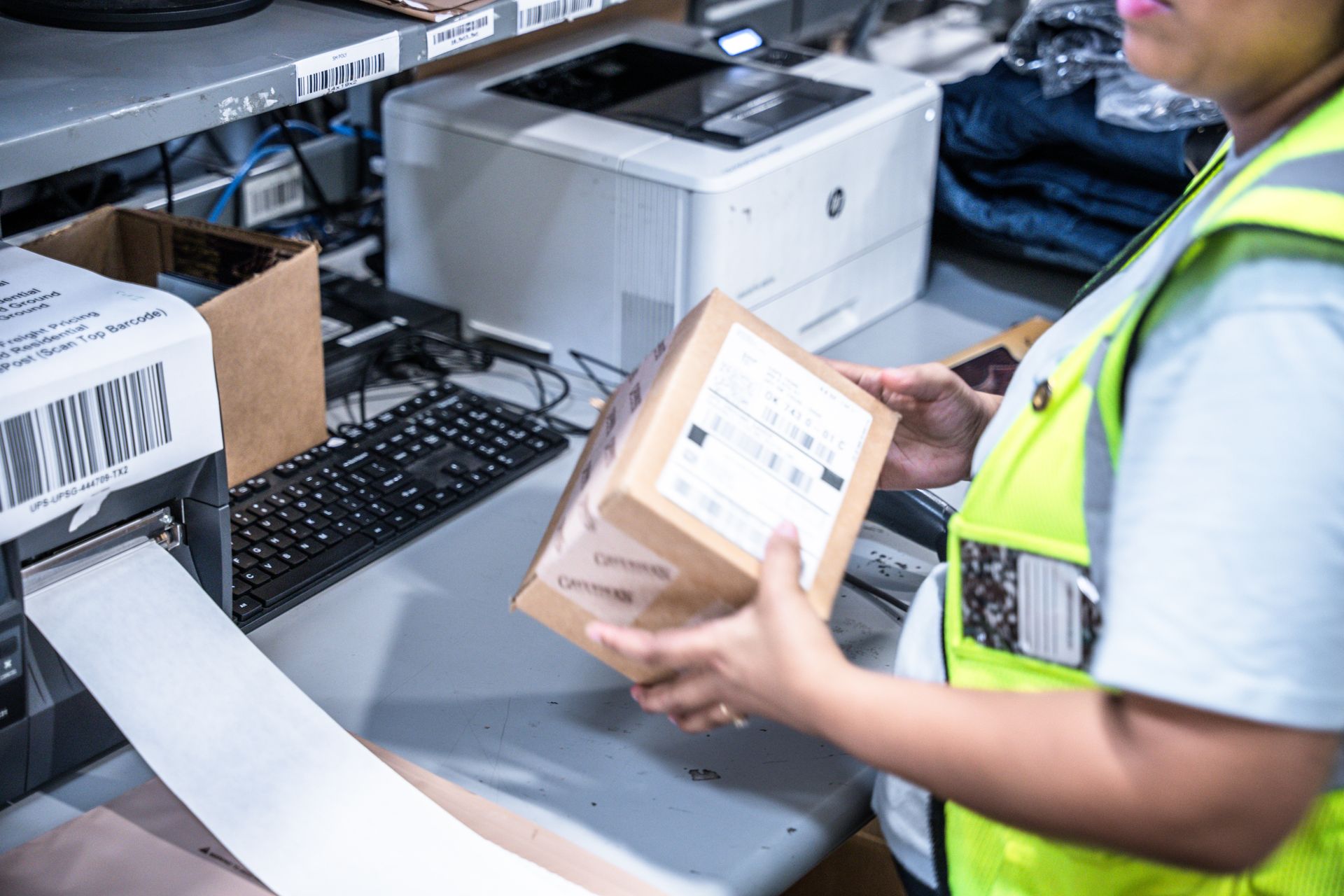
Pre-ticketing can be performed alongside other warehouse services involved in preparing apparel for distribution. Barrett's value-added capabilities include pre-ticketing, labeling and label placement, palletization, and support for UCC128, SCC18, and SCC14 labeling requirements.


Bringing these activities into the fulfillment operation helps brands coordinate product preparation and outbound distribution through the same logistics partner.


How Does Pre-Ticketing Support Retail Compliance?

Retail fulfillment involves more than picking the correct products and shipping them to the correct destination. Retail partners can establish specific requirements for how orders are prepared and processed.


Barrett's internal materials identify retail vendor compliance, ASN management, labeling, label placement, pre-ticketing, palletization, and order fulfillment among the challenges and services associated with its omnichannel operations.


A 3PL experienced with retail distribution can incorporate applicable requirements into its warehouse processes.


How Does a 3PL Handle Pre-Ticketing?

A 3PL can integrate pre-ticketing into the fulfillment workflow based on the requirements associated with an order.


Instead of moving every product through an identical process, the warehouse can use customer-specific workflows to prepare orders for their intended destinations. This is particularly useful when the same brand serves consumers, distributors, and retail partners.


Barrett's WMS capabilities include multi-client functionality, customer-specific processing, and real-time tasking, supporting the broader technology infrastructure behind its fulfillment operations.


Why Is Pre-Ticketing Important for Omnichannel Fulfillment?

The same apparel inventory can serve very different sales channels.


A DTC ecommerce order may require individual pick-and-pack fulfillment, while a retail order may require additional preparation such as pre-ticketing, labeling, or palletization.


That makes flexibility important. An omnichannel 3PL can support different fulfillment requirements while helping brands coordinate B2B and B2C distribution within a broader logistics strategy.


Barrett processes orders and shipments in support of consumer, distributor, and retail customers and lists pre-ticketing among its value-added capabilities.


What Should Apparel Brands Look for in a Pre-Ticketing 3PL?

Apparel brands should look for a provider that understands both apparel fulfillment and retail distribution requirements.


Beyond pre-ticketing itself, consider the 3PL's experience with inventory control, B2B and DTC fulfillment, retail compliance, labeling, value-added services, technology, and customer-specific processes.


This becomes increasingly important as a brand adds retailers, expands its ecommerce business, or manages more complex omnichannel requirements.


Frequently Asked Questions

What does pre-ticketing mean in apparel?

Pre-ticketing means preparing apparel with required tickets or labels before the merchandise is shipped to a retailer or distribution center.


Is pre-ticketing a value-added service?

Yes. Barrett identifies pre-ticketing as one of its value-added services alongside capabilities such as labeling, palletization, and other retail preparation activities.


Can a 3PL handle pre-ticketing?

Yes. A 3PL with apparel and retail fulfillment capabilities can incorporate pre-ticketing into applicable warehouse workflows.


Why is pre-ticketing important for omnichannel apparel brands?

Omnichannel brands may fulfill DTC, wholesale, distributor, and retail orders from their inventory. Pre-ticketing helps prepare applicable retail orders according to their specific requirements before shipment.

Recent Blog Posts
By Faith Artieda September 18, 2026
A polished presentation can tell you what a 3PL promises to do. A warehouse visit gives you the chance to see what happens when those promises become real. If you are trusting a 3PL with your inventory, your orders, and ultimately part of your customer experience, visiting the facility can be one of the most valuable steps in the selection process. You get to move beyond the proposal and see the people and environment that could soon become an extension of your business. See Beyond the Sales Presentation Most 3PL conversations begin with capabilities. You will hear about locations, technology, fulfillment services, integrations, pricing, and experience. All of that information matters, but there are certain things that are difficult to understand from a presentation alone. Walking through a warehouse gives you a different perspective. Look at how inventory is organized. Watch how orders move through the building. Pay attention to how the team communicates and how employees interact with one another. Ask how the facility handles busy periods, unusual requests, and unexpected changes. You are not looking for a perfect warehouse. You are trying to understand how the operation works and whether you can picture your brand becoming part of it. Barrett's Bryan has identified “not doing site visits” and “not being encouraged to broadly meet larger teams besides the sales guy” as potential red flags when choosing a 3PL. Meet the People Who Will Know Your Business The salesperson may introduce you to the company, but they will not be the only person responsible for your experience once inventory arrives. That is why a warehouse visit should include conversations with the people who would actually support your business. Meet the general manager. Talk with operations. Ask about systems support and onboarding. Learn who you would contact when something unexpected happens. As Bryan explains, “You want to meet a good set of experts from every team because this is your supply chain. This is your company.” Those introductions matter because a strong 3PL relationship eventually becomes much more personal than a contract. When your volume suddenly increases, a retailer changes a requirement, or an inventory issue appears, you want to know there are people on the other side who understand your business and can work through the situation with you. Ask Questions You Cannot Answer From a Rate Sheet A site visit is also your opportunity to get curious. Ask how the team prepares for peak season. Find out what happens when order volume exceeds the forecast. Ask how inventory discrepancies are handled or how special projects fit into the normal flow of the building. If your brand requires custom packaging, kitting, retail compliance, gift messaging, or other details, talk about how those requirements would work in the actual facility. You can also ask about the building itself. Different facilities may have different strengths, teams, and experience. The goal is not simply finding out whether a 3PL has space available. It is understanding why this particular operation makes sense for your business. Pay Attention to the Culture Numbers are easier to compare than culture, but culture can have a tremendous influence on your experience with a 3PL. Notice how people speak to one another. Does the team seem comfortable asking questions? Are the people leading the tour familiar with what is happening on the floor? Do employees appear engaged with the work around them? Bryan describes Barrett as a place where people should be able to “be yourself, have an opinion, have a view, have a point of view.” Those qualities can be difficult to capture in an RFP. They are much easier to notice when you are standing inside the operation. Walk It Before Your Inventory Does Choosing a 3PL is not simply a decision about where your products will sit. You are choosing the people who may receive your inventory, solve problems, prepare orders, support your growth, and help deliver the experience your customers associate with your brand. At Barrett Distribution Centers, we encourage brands to get to know the people and operations behind the solution. A warehouse visit creates room for questions, conversations, and a clearer understanding of how the partnership could work once the sales process ends and the everyday work begins. So before your inventory arrives, walk the floor yourself. Meet the people. See the operation. Ask the questions. Your products may spend years inside that building, so it is worth knowing who and what will be waiting for them.
By Faith Artieda September 17, 2026
Your first conversation with a 3PL should not feel like speed dating with a warehouse. You are not simply looking for space to put inventory. You are trying to figure out whether this is a team you can trust with your products, your customers, and potentially the next several years of your growth.  That means asking questions that get beyond square footage and pricing. Start With Your Business, Not Their Capabilities Most 3PLs can tell you how many warehouses they have, what technology they use, and how quickly they can ship an order. Those things matter, but your first call should help you understand how those capabilities apply to your business. Consider asking: Do you work with brands similar to mine? Ask about similar order profiles, sales channels, products, and growth stages. Can you support where we are going next? If retail, marketplaces, new regions, or higher ecommerce volume are in your future, bring that up now. How do you prepare for unexpected increases in volume? Your forecast will change. Find out how the 3PL responds when it does. What information do you need from us to build the right solution? A thoughtful 3PL should want to understand your inventory, order history, seasonality, packaging, sales channels, and future plans before recommending an approach. Who will actually manage our business? The salesperson may begin the relationship, but operations will live it every day. Ask when you can meet the people who would work directly with your account. How do you handle our specific requirements? This could mean retailer compliance, kitting, branded packaging, gift messages, lot control, returns, or another detail that matters to your customer experience. What happens when something goes wrong? Problems happen. The more revealing question is how they are communicated, addressed, and prevented from happening again. Can we visit the facility? Seeing the operation and meeting the people behind it can tell you things a presentation never will. Do Not Rush Straight to Price Of course you should talk about cost. But asking “How much will this cost?” before a 3PL understands your operation may not give you a particularly useful answer. Pricing depends on the space your inventory requires, the work involved in handling orders, your order profile, seasonality, special requirements, and many other details. A meaningful quote should reflect the business behind the numbers. Your first call does not need to answer everything. It should leave you feeling like the 3PL asked just as many thoughtful questions about your business as you asked about theirs. Because you are not only choosing where your inventory will sit. You are choosing the people who will help move your brand forward.
By Faith Artieda September 16, 2026
When a customer places an order online, they are not thinking about the warehouse it came from. They are thinking about the brand they chose to buy from. That distinction matters because the package arriving at their door becomes a physical representation of that brand. The way it is packed, the condition of the products, the placement of branded materials, and even the feeling of opening the box all contribute to the customer's impression. A beautiful website and great product can create excitement, but the fulfillment experience has to carry that same level of care through the final mile. At Barrett Distribution Centers, we believe packing an order is about more than getting the right products into the right box. It is about understanding what each brand wants its customers to experience and protecting that vision every time an order leaves one of our facilities. Every Brand Has Its Own Standard There is no universal definition of the perfect package because every brand is different. For one customer, presentation may be intentionally simple and minimal. Another may have specific requirements for product placement, branded inserts, gift messaging, custom packaging, or carefully assembled kits. Those details are not extras when they are part of how a brand presents itself to its customers. They are part of the experience. That is why Barrett takes the time to understand how each brand wants its orders packed and presented. Our teams work within those requirements so that as order volume grows, the personality behind the package does not disappear. The hundredth order should receive the same consideration as the first, and the customer opening it should feel like they purchased directly from the brand, not from a warehouse. Becoming the Customer Through Secret Shopping One way Barrett takes that commitment a step further is through our secret shopper program. There is valuable information in fulfillment data, quality checks, and internal processes, but sometimes the clearest way to understand an experience is simply to live it. Through secret shopping, Barrett can receive and evaluate packages from the customer's perspective, giving our teams the opportunity to see what actually arrives at the doorstep. 
More Posts